

About the
Project
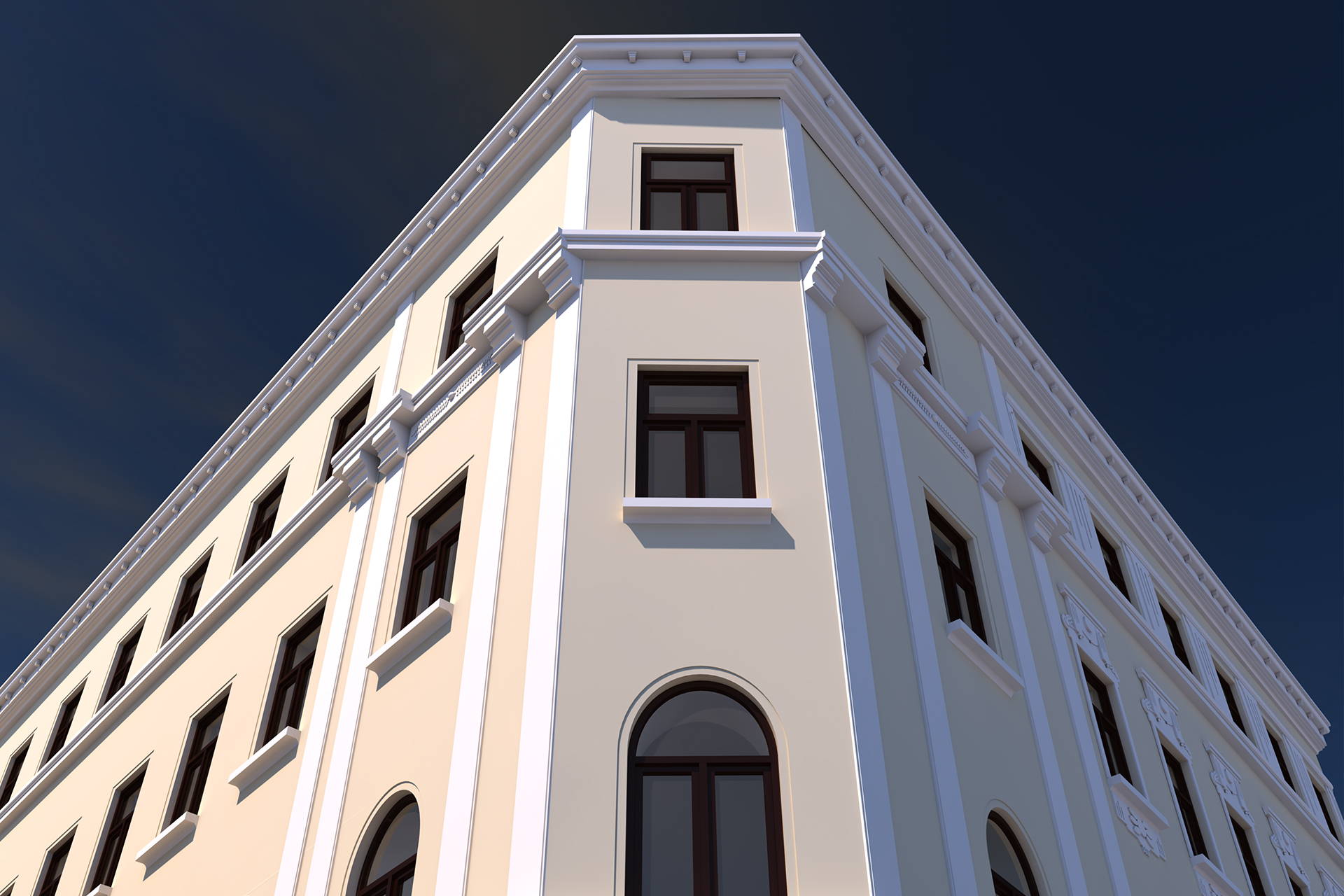
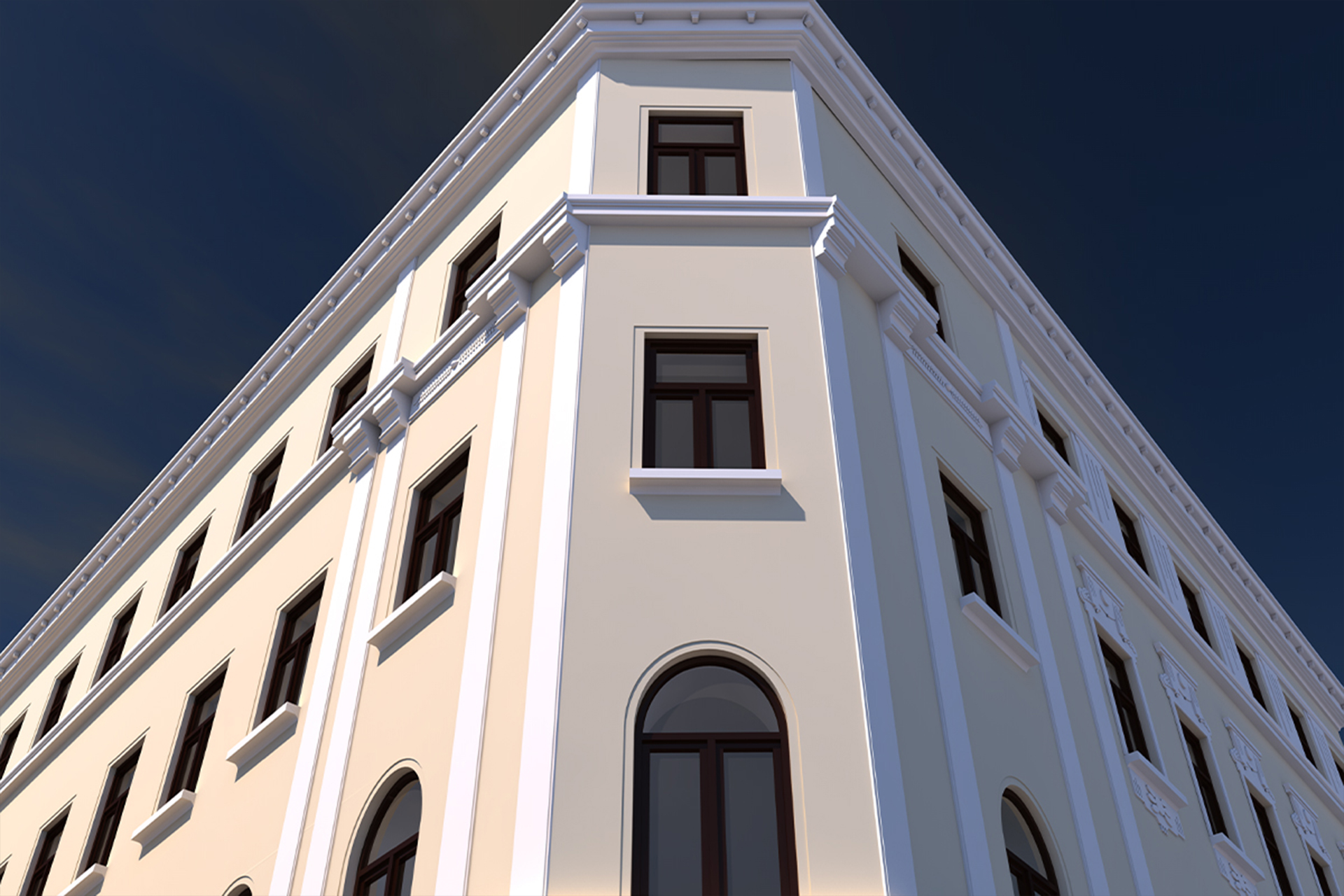
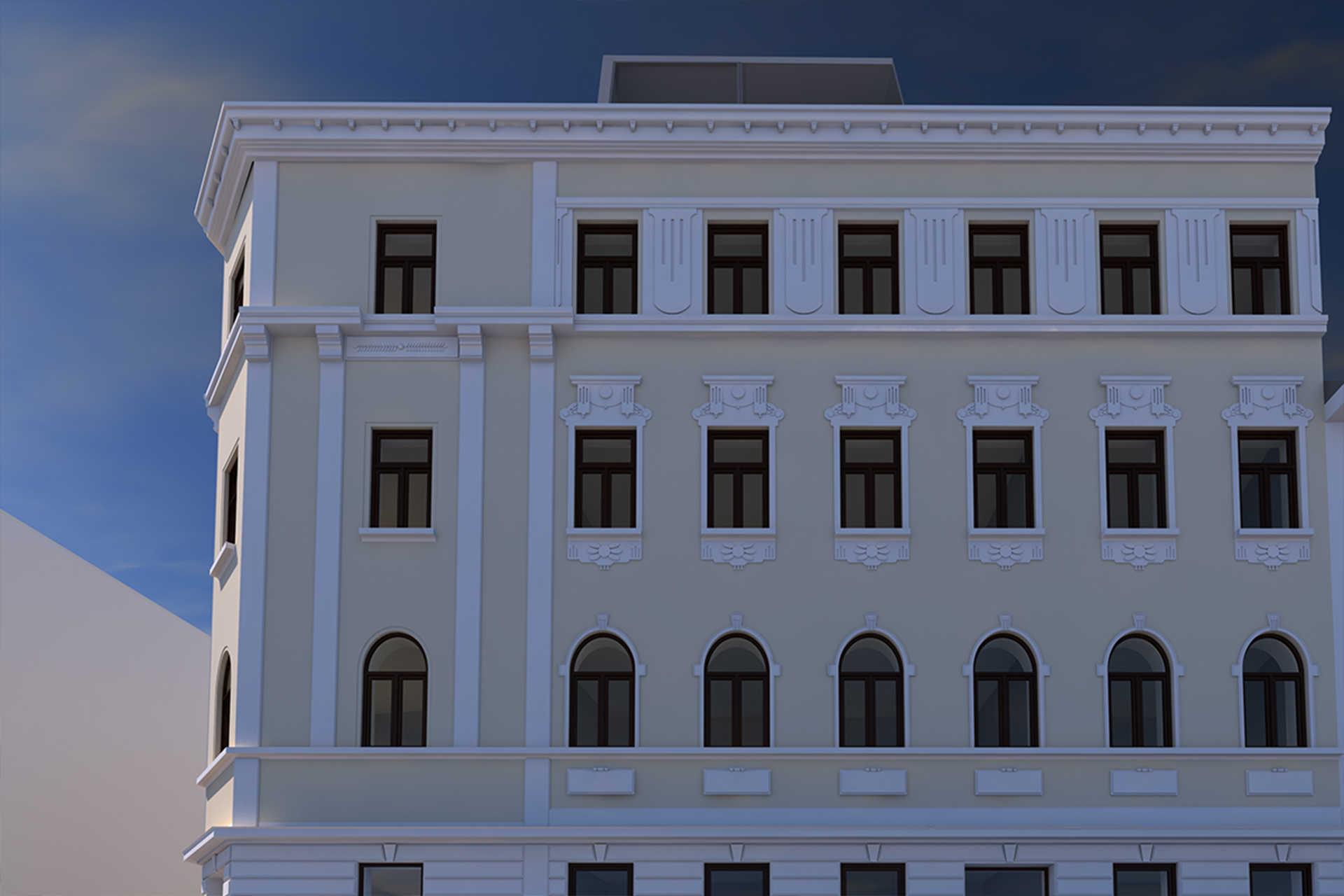
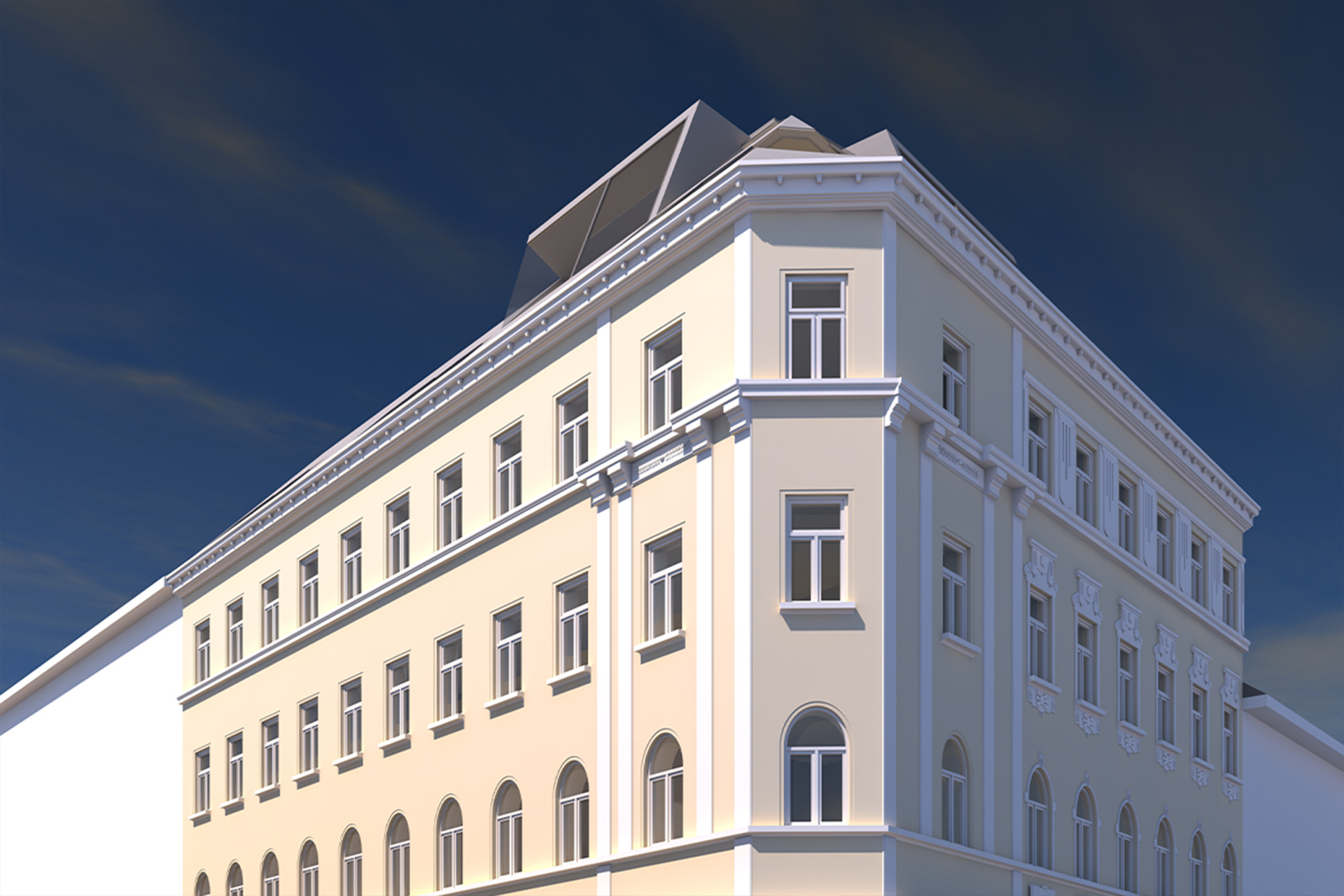
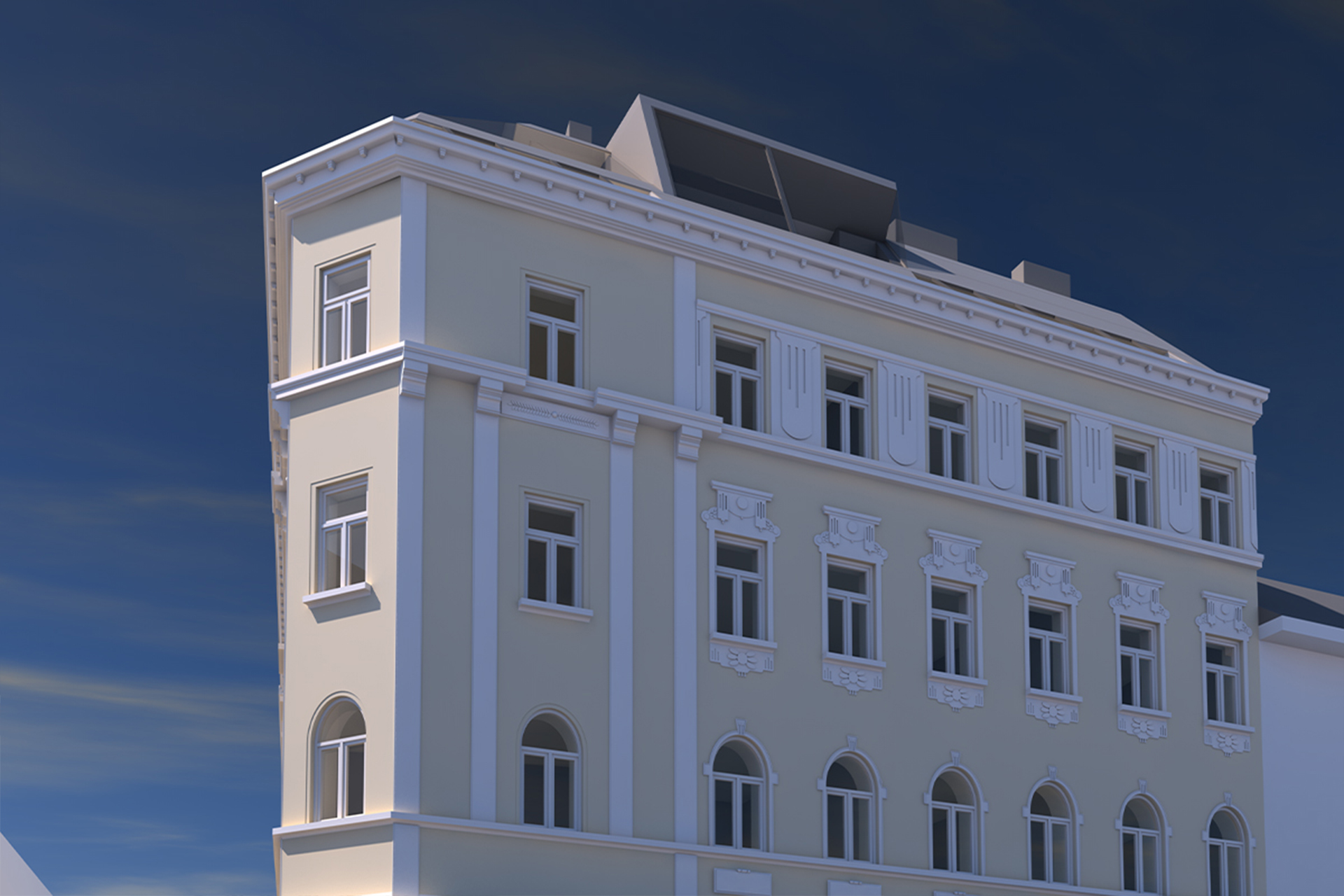
The attic is conceived not as a conventional roof, but as an inhabited architectural layer. By pulling the new volume back from the historic facade line, the intervention preserves the visual primacy of the original cornice and façade composition. This setback establishes a clear hierarchy:
- the historic building remains dominant, while the new layer is perceived as a secondary, lighter addition.-
- the historic building remains dominant, while the new layer is perceived as a secondary, lighter addition.-
Info
"Living Above the City, Shaped by Light and Space."
-
Clientprivate
-
LocationVienna, Austria
-
Project delivery phase2010 - 2012
-
Scope of WorkArchitecture, Project Management
-
Architectprojectlab.inc
The
Result
The roof volume is shaped through a sequence of precise cuts and inclinations rather than applied elements. Inclined planes, recessed voids, and sharply defined edges replace traditional roof typologies. This abstraction transforms the attic into a sculptural object whose geometry is driven by interior spatial quality, daylight access, and views, rather than by historical roof forms.
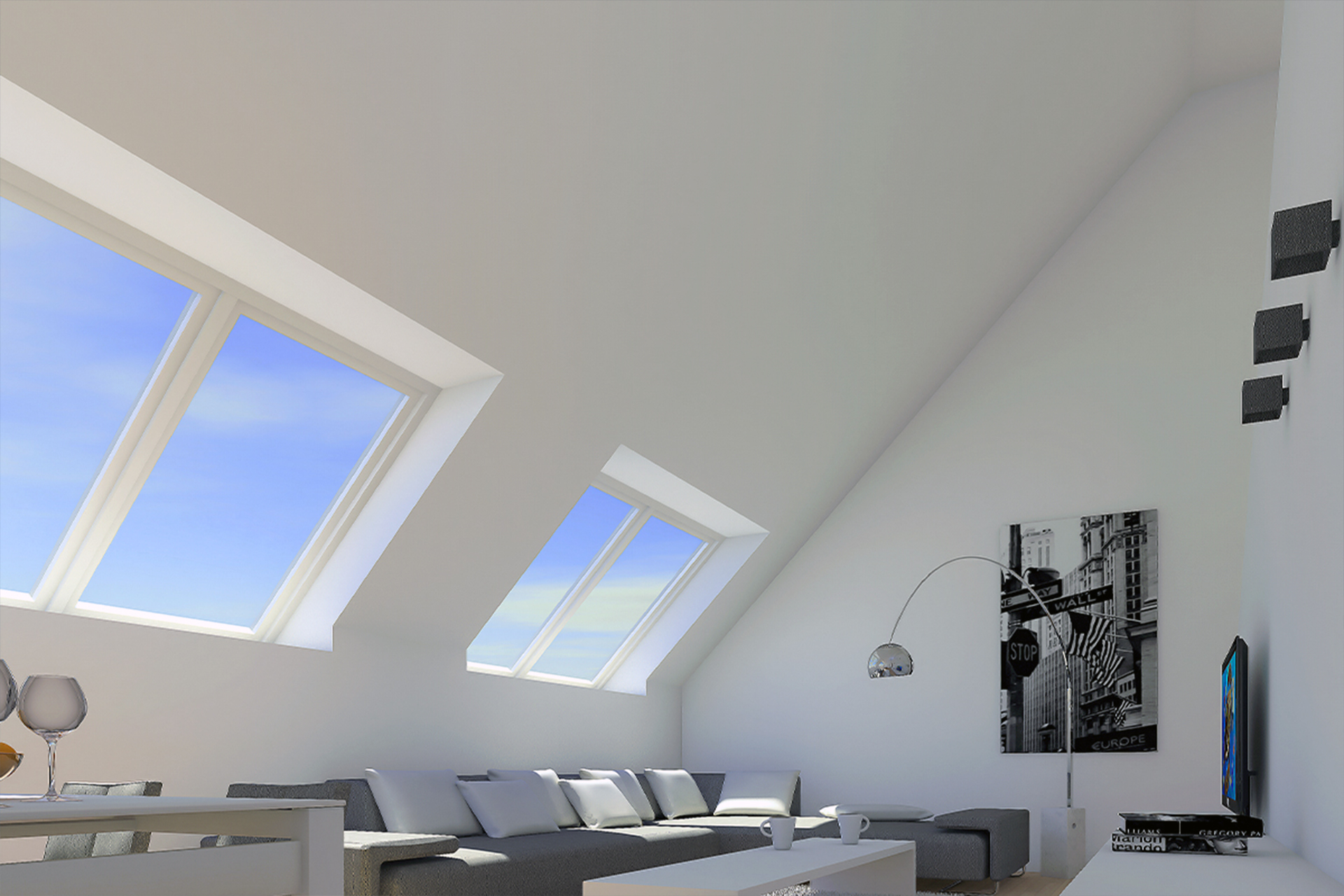
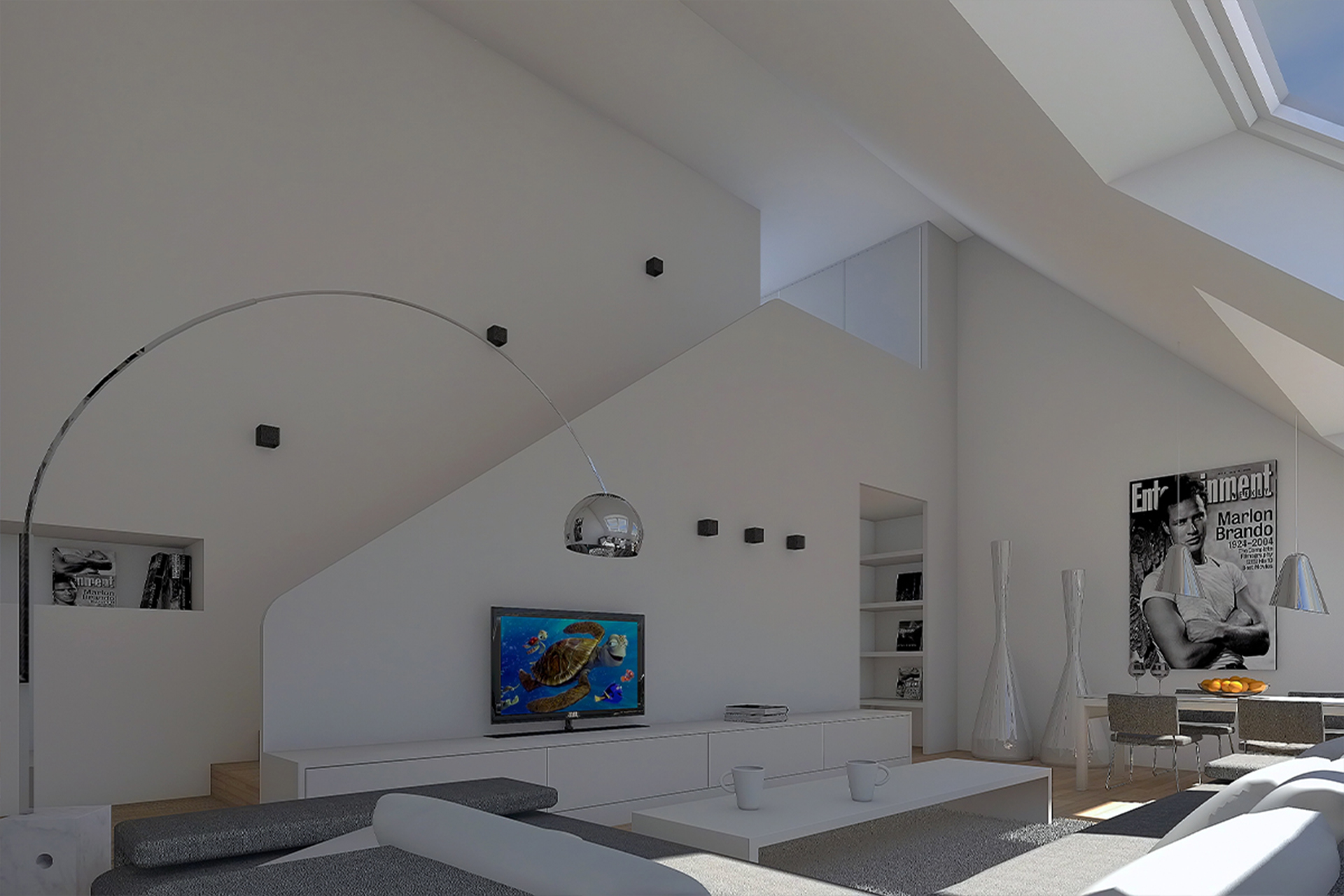
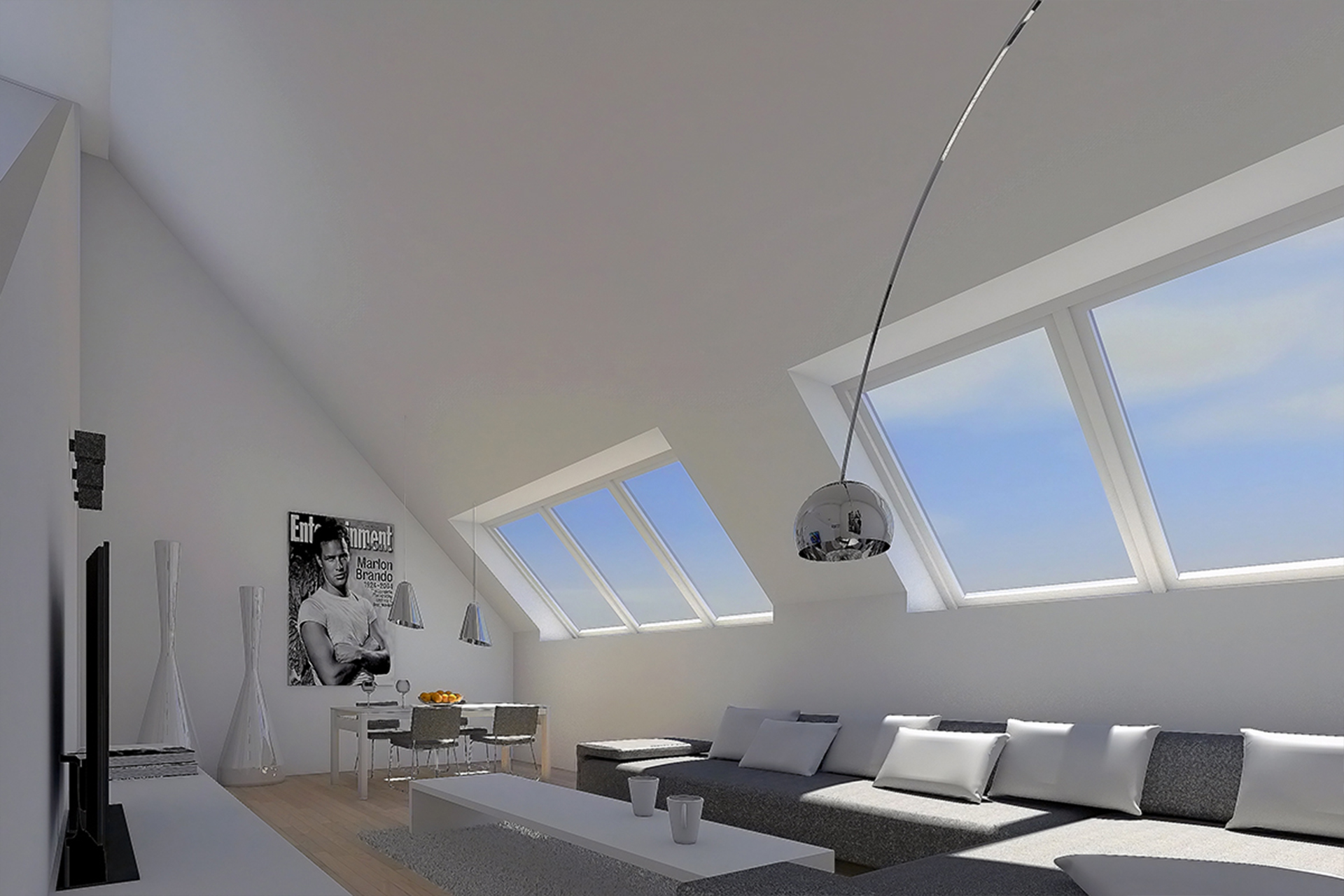
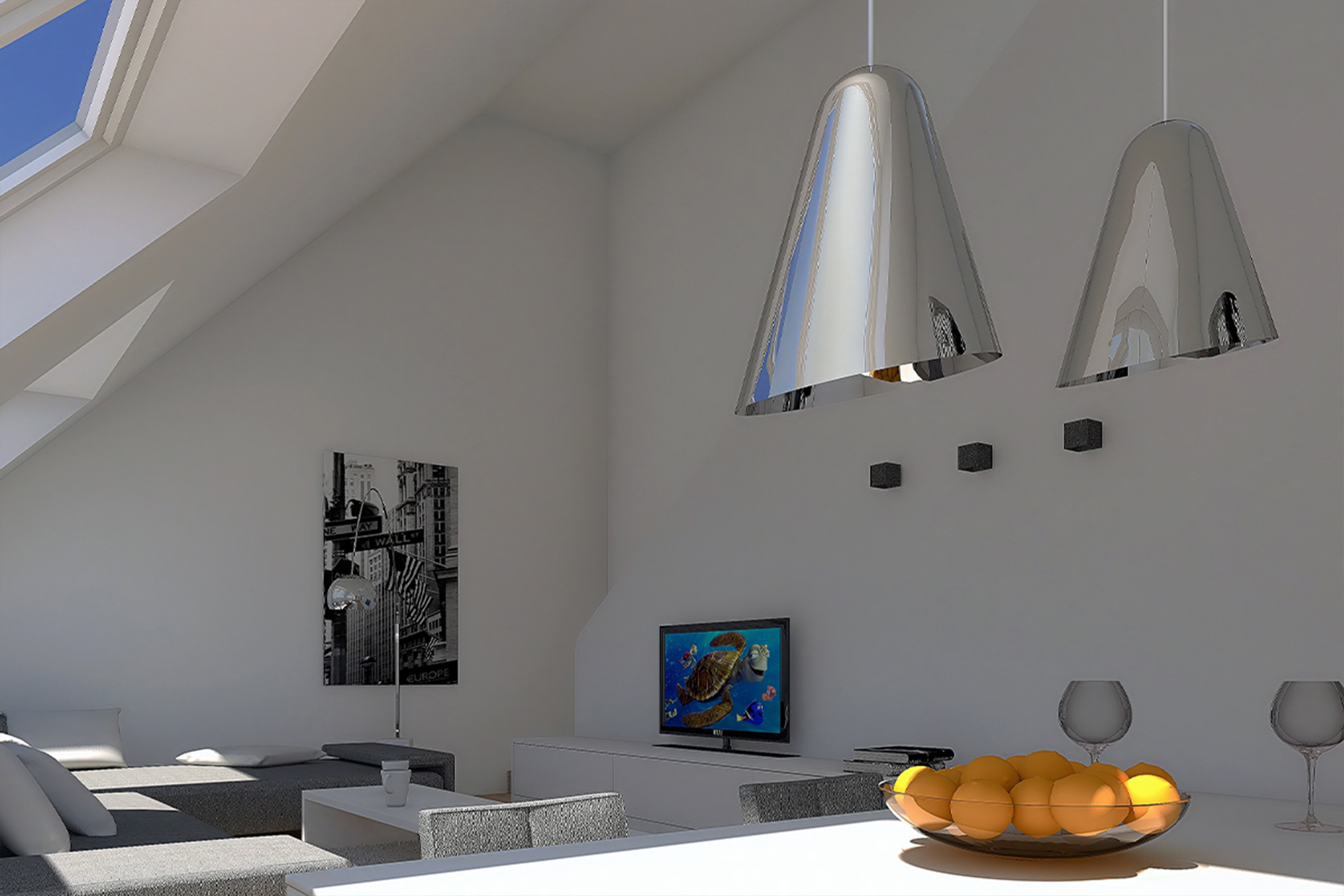
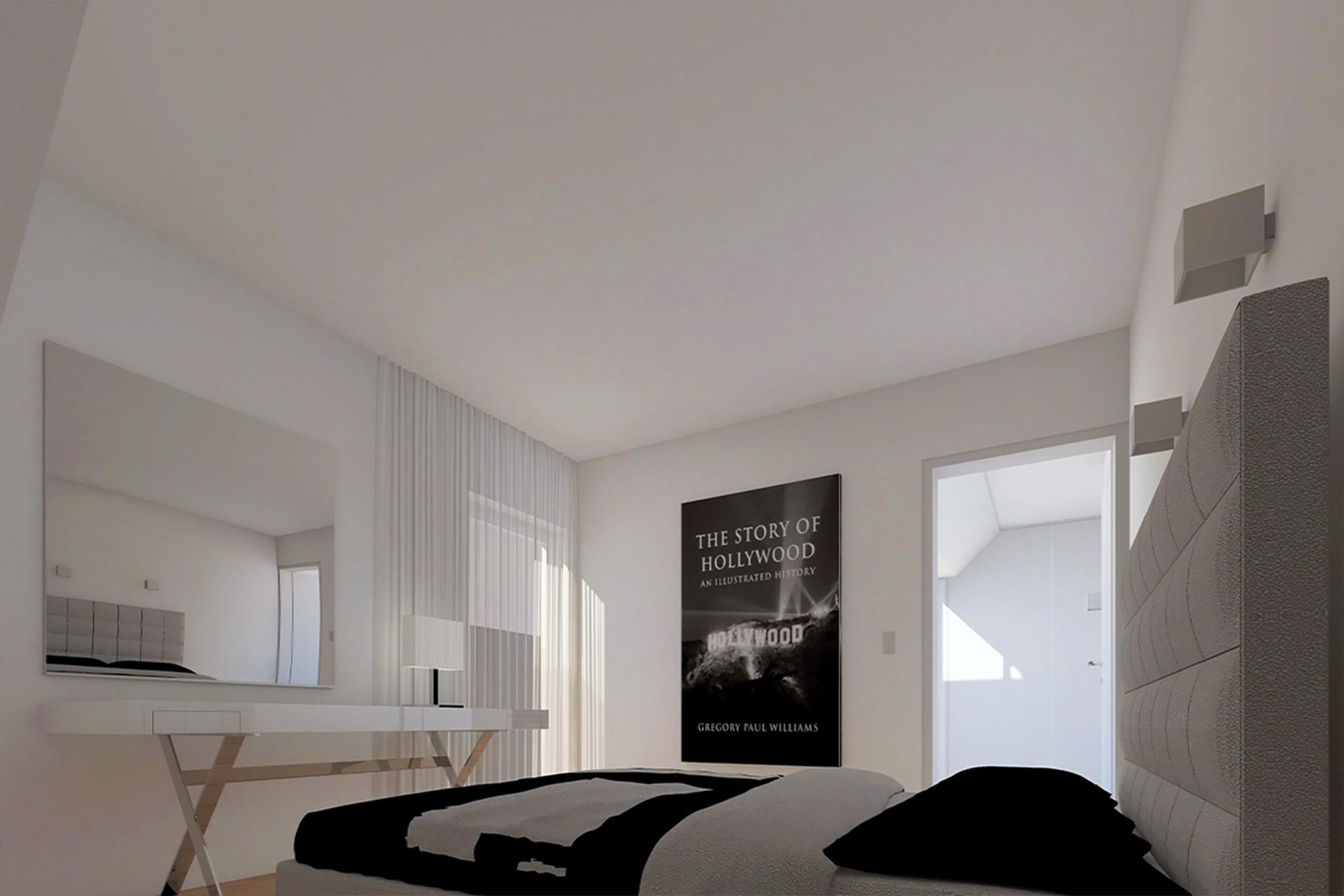
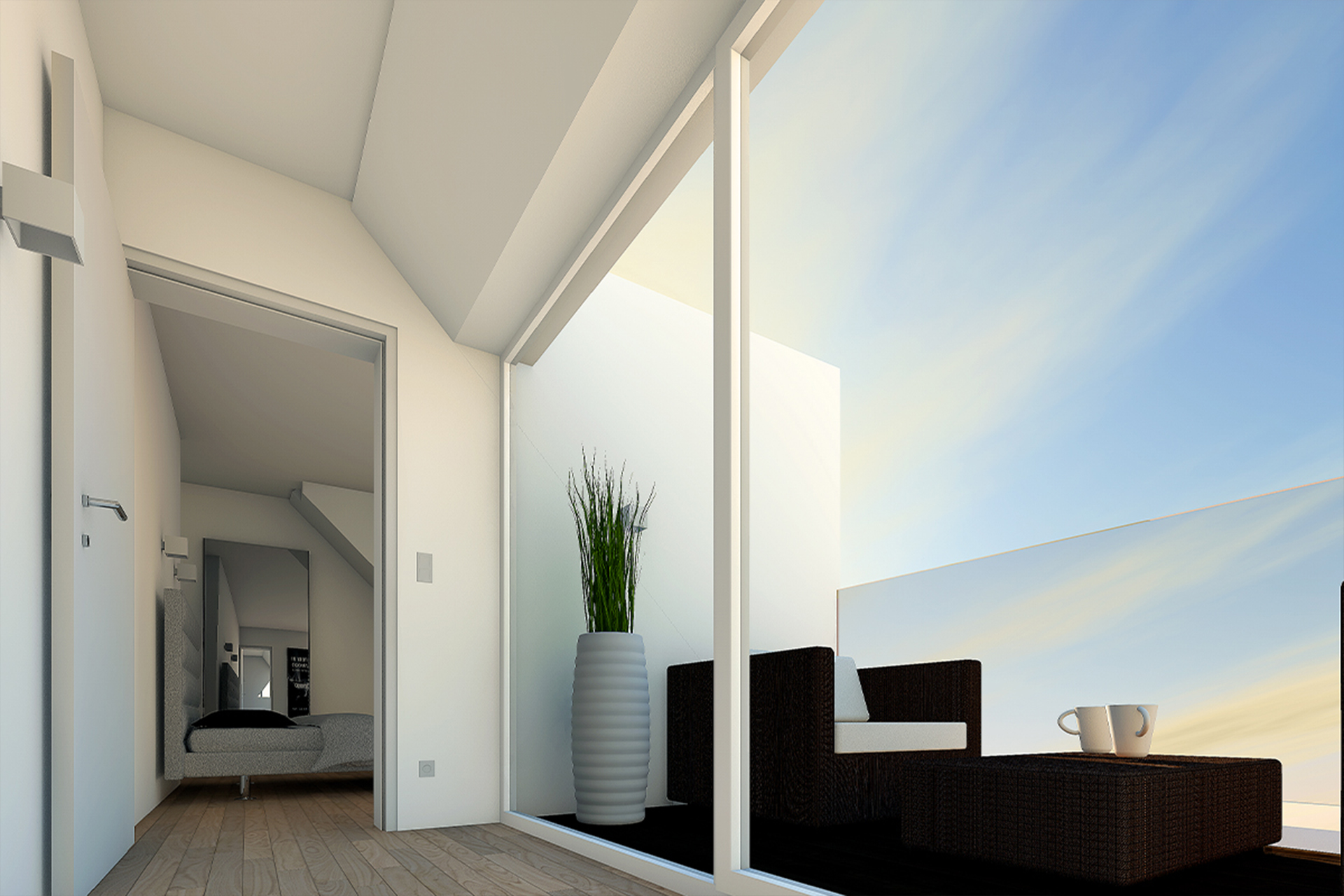
Internally, the attic level offers double-height spaces, diagonal sightlines, and carefully framed views across Vienna’s 18th District, generated by the sculptural roof cuts. These spatial conditions clearly distinguish the attic apartments from the more regular floor plans below, creating a unique living experience that is closely connected to daylight, fresh air, and the urban skyline.
Ultimately, the attic architecture operates as a contemporary crown—not decorative, but spatially and conceptually refined. It completes the building not by imitation, but through contrast, precision, and restraint, reinforcing the idea that architectural continuity is achieved through clarity and respect rather than replication.
Internally, the attic level offers double-height spaces, diagonal sightlines, and carefully framed views across Vienna’s 18th District, generated by the sculptural roof cuts. These spatial conditions clearly distinguish the attic apartments from the more regular floor plans below, creating a unique living experience that is closely connected to daylight, fresh air, and the urban skyline.
Ultimately, the attic architecture operates as a contemporary crown—not decorative, but spatially and conceptually refined. It completes the building not by imitation, but through contrast, precision, and restraint, reinforcing the idea that architectural continuity is achieved through clarity and respect rather than replication.
Duesseldorf
Germany